
Recent additives
-

E466 – Carboxymethyl Cellulose (Cellulose Gum)
E466 (carboxymethyl cellulose, also called cellulose gum) is a cellulose-derived thickener and stabiliser. Regulators consider it safe for general use, but controlled human studies suggest it can alter the gut microbiome and cause mild gastrointestinal…
-
E316 – Sodium erythorbate
E316 (sodium erythorbate) is an antioxidant used mainly in cured and processed meats to stabilise colour and slow oxidation. It remains legally permitted, but a new large cohort study reported a small association with cancer…
-
E101 – Riboflavin (Vitamin B2) (i, ii)
E101 (riboflavins) is a yellow food colour based on riboflavin, also known as vitamin B2. It is widely permitted and well studied, with very low toxicity at typical food-use levels.
-
E260 – Acetic acid
E260 (acetic acid) is the acid that gives vinegar its sharp taste and preservative power. It is widely permitted as a food additive and is generally considered safe at typical food-use levels, with irritation risks…
-
E627 – Disodium guanylate
E627 (disodium guanylate) is a GMP-based flavour enhancer used to boost umami, usually together with MSG or inosinate. It is permitted in the EU and US, but graded ORANGE because purine metabolism can matter for…
-
E451 – Triphosphates
E451 (triphosphates) are phosphate salts used to stabilise processed foods and improve texture by binding water. They are permitted in the EU and US, but high overall phosphate intake can be a concern for people…
-
E412 – Guar gum
E412 (guar gum) is a plant-based thickener made from guar beans. It is widely authorised in the EU and affirmed as GRAS (Generally Recognized as Safe) in the US. For most people it is considered…


Browse by category

Colours
Colours are additives used to restore, enhance, or standardise the appearance of food and drinks.

Preservatives
Preservatives help slow spoilage by inhibiting the growth of microorganisms and extending shelf life.
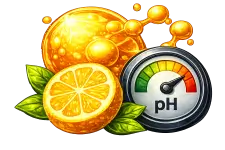
Antioxidants and acidity regulators
These additives help prevent oxidation, maintain freshness, and control the acidity or alkalinity of food.

Thickeners, stabilisers and emulsifiers
These additives improve texture, keep ingredients evenly mixed, and help foods maintain a consistent structure.
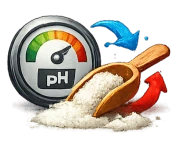
pH regulators and anti caking agents
These additives adjust acidity and help powders or granules stay free-flowing instead of clumping together.

Flavour enhancers
Flavour enhancers are used to intensify or round out existing taste without necessarily adding a distinct flavour of their own.

Antibiotics
This category includes substances historically used in limited food-related contexts to inhibit bacterial growth.

Glazing agents, gases and sweeteners
These additives provide shine, assist with packaging or processing, and add sweetness with or without sugar.

Additional additives
Additional additives include specialised substances that do not fit neatly into the main standard additive groups.
Browse by safety grade

Food additives scanner mobile application
- Designed to quickly scan product labels in any language.
- Automatic detection of additives and E-numbers.
- Instantly provide a safety analysis based on the additives detected.
- Clear results without complex chemistry.
- Science-based safety approach.