
Recent additives
-

E635 – Disodium 5’–ribonucleotides
E635 (Disodium 5′-ribonucleotides) is a flavour enhancer usually used with MSG to boost umami. It is permitted in the EU and US, but it can matter for people sensitive to purines (gout, hyperuricemia), so we…
-
E631 – Disodium inosinate
E631 (disodium inosinate) is a flavour enhancer that boosts umami taste, often used in instant noodles, snack seasonings and stock cubes. Regulators allow it and JECFA assigns a group ADI not specified for inosinate salts,…
-
E509 – Calcium chloride
E509 (calcium chloride) is a mineral salt used mainly as a firming and anti-caking agent. It helps keep canned vegetables crisp and improves cheese curd formation. Our grade is GREEN – SAFE, with the main…
-
E471 – Mono- and diglycerides of fatty acids
E471 (mono- and diglycerides of fatty acids) are widely used food emulsifiers derived from fats and oils. They are legally approved and generally safe for most consumers, but their metabolic equivalence to dietary fats, possible…
-
E162 – Beetroot Red (Betanin)
E162 (Beetroot Red), also known as betanin, is a natural red-purple food colour extracted from beetroot. It is widely used in beverages, confectionery and dairy products and is considered safe for consumers based on current…
-
E417 – Tara gum
E417 (Tara gum) is a natural thickener obtained from the seeds of the tara tree. It is widely used to improve texture and stability in dairy, bakery and processed foods. Current scientific evidence supports a…
-
E341 – Calcium Phosphates (i, ii, iii)
E341 refers to calcium phosphates (i, ii, iii) used in foods as leavening acids, mineral supplements and anti-caking agents. While approved globally, modern studies raise concerns about excessive phosphate intake and its impact on kidney…


Browse by category

Colours
Colours are additives used to restore, enhance, or standardise the appearance of food and drinks.

Preservatives
Preservatives help slow spoilage by inhibiting the growth of microorganisms and extending shelf life.

Antioxidants and acidity regulators
These additives help prevent oxidation, maintain freshness, and control the acidity or alkalinity of food.

Thickeners, stabilisers and emulsifiers
These additives improve texture, keep ingredients evenly mixed, and help foods maintain a consistent structure.
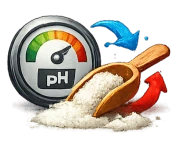
pH regulators and anti caking agents
These additives adjust acidity and help powders or granules stay free-flowing instead of clumping together.

Flavour enhancers
Flavour enhancers are used to intensify or round out existing taste without necessarily adding a distinct flavour of their own.

Antibiotics
This category includes substances historically used in limited food-related contexts to inhibit bacterial growth.

Glazing agents, gases and sweeteners
These additives provide shine, assist with packaging or processing, and add sweetness with or without sugar.

Additional additives
Additional additives include specialised substances that do not fit neatly into the main standard additive groups.
Browse by safety grade

Food additives scanner mobile application
- Designed to quickly scan product labels in any language.
- Automatic detection of additives and E-numbers.
- Instantly provide a safety analysis based on the additives detected.
- Clear results without complex chemistry.
- Science-based safety approach.